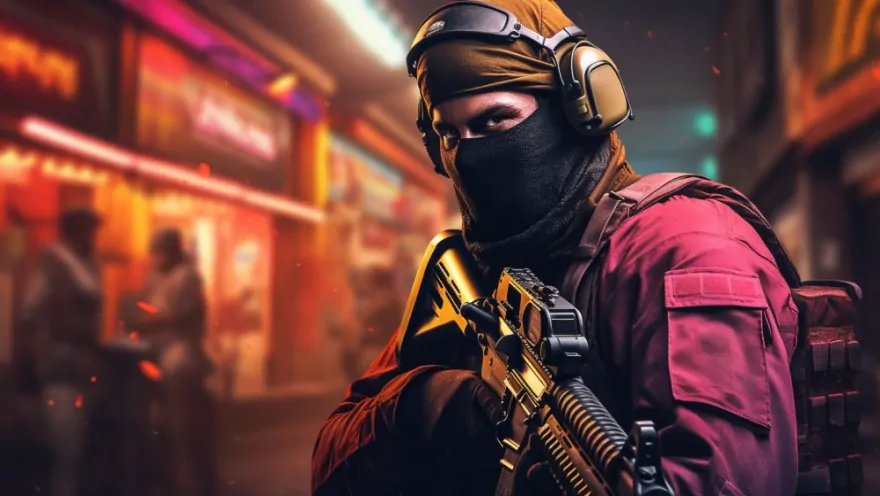
Anyone who spent their teenage years crammed into a smoky internet cafe or a friend’s basement playing Counter-Strike 1.6 remembers the feeling. The clatter of mechanical keyboards, the shouted callouts, the shared thrill of a clutch round. That generation grew up, got jobs, and in many cases kept following the game they loved as it evolved into CS2. What changed isn’t their loyalty to the franchise, but how they engage with it now; a surprising number have become regular participants in skin betting and match wagering tied to the modern competitive scene.
This shift did not happen overnight. It reflects a slow accumulation of habits formed during LAN culture, combined with the rise of digital economies inside the game itself. Skins, once a purely cosmetic afterthought, became tradeable assets with real monetary value, and betting sites built entire business models around them. Understanding why former 1.6 players ended up here requires looking at both the emotional pull of nostalgia and the practical mechanics that made betting so accessible.
From LAN Cafes To Livestreamed Majors
Competitive Counter-Strike in the 1.6 era was intensely local. Tournaments happened in physical venues, results spread through forums and IRC channels, and most fans experienced the pro scene secondhand through recorded demos rather than live broadcasts. That limited exposure created a tight-knit community where everyone followed the same handful of dominant teams and players, building a shared cultural memory that lasted long after the game itself faded from prominence.
When CS:GO arrived, and later CS2 replaced it, the broadcast infrastructure caught up with the audience’s appetite. Major tournaments now stream to millions of viewers with professional casting, replay analysis, and betting odds displayed alongside the action. For someone who once had to wait days for a match recording to circulate online, watching a Major final live with real-time statistics feels like an entirely different sport wearing the same name. That accessibility turned passive fans back into active, daily followers.
The scale of prize pools also grew dramatically compared to the amateur circuit of the last 1.6 years, when winning a LAN tournament might mean a modest cash prize split among five teammates. Modern events offer sums that support full-time careers for players, coaches, and analysts, and CSGORoll is a popular CS2 gambling website that grew alongside this shift, drawing on the same fanbase now watching Majors with real money and betting odds attached to every round.
The Rise Of Skins As A Betting Currency
Skins are cosmetic weapon designs that change how a gun looks without affecting how it performs. When Valve introduced a marketplace allowing players to trade these items with real monetary value attached, an unexpected side economy emerged. Some skins, particularly rare knife designs or limited-run patterns, began selling for hundreds or even thousands of dollars, giving players an asset they could wager rather than just admire.
That tradeable value made skins a natural currency for gambling sites built around match outcomes and virtual case openings. Users deposit skins and use them to bet on professional matches or try their luck on games modeled after roulette and coin flips, turning years of casual trading habits into an active betting outlet. For players who already understood the relative worth of different skins from years of trading and collecting, moving into betting felt like a logical extension of a hobby they already practiced.
This familiarity gave the 1.6 generation an advantage that newer players often lack. They had already spent years assessing item rarity, market trends, and trade value long before any betting site existed, so adapting that knowledge to wagering required little adjustment. The skills transferred almost seamlessly from casual trading to calculated betting decisions.
Why Nostalgia Keeps Veteran Fans Invested
Nostalgia plays a larger role in this trend than many people assume. Watching a CS2 match often triggers memories of specific maps, weapons, and even sound cues that longtime players associate with their own competitive experiences. That emotional connection makes it easier to justify spending time and money following the scene, even for people who no longer play the game competitively themselves.
Betting adds a layer of active participation to what would otherwise be passive viewing. Placing a wager on a match, even a small one, gives a former player a stake in the outcome that mirrors the intensity they once felt competing themselves. It transforms spectating into something closer to the adrenaline of actually playing, which explains why so many veterans gravitate toward betting sites rather than simply watching broadcasts without any financial involvement.
A Community That Aged Together
The people who once filled LAN cafes to play CS 1.6 never really left the ecosystem they helped build. They moved from controllers and CRT monitors to smartphones and betting apps, carrying with them a deep familiarity with the game’s economy, culture, and competitive rhythms. That inherited knowledge, paired with genuine emotional attachment to the franchise, explains why so many of today’s most engaged CS2 bettors are the same fans who learned the game decades ago, simply expressing their loyalty through a different kind of participation.