Competitive gaming has become one of the most influential parts of the modern entertainment industry. Multiplayer titles have transformed the way people communicate, cooperate, and develop skills in virtual environments. From tactical shooters to strategy games, competitive experiences continue to attract millions of players worldwide.
Communities built around games often extend beyond the gameplay itself. Forums, streaming platforms, social media groups, and fan communities create environments where players exchange ideas, strategies, and experiences. The growing popularity of competitive gaming demonstrates how digital entertainment has evolved into a major cultural phenomenon.
The expansion of online gaming has also introduced players to many different genres. Casual games, strategy titles, and experiences such as Chicken Road 2 1xbet illustrate how simple mechanics and quick gameplay sessions can attract users who prefer accessible forms of entertainment.
The Evolution of Competitive Gaming
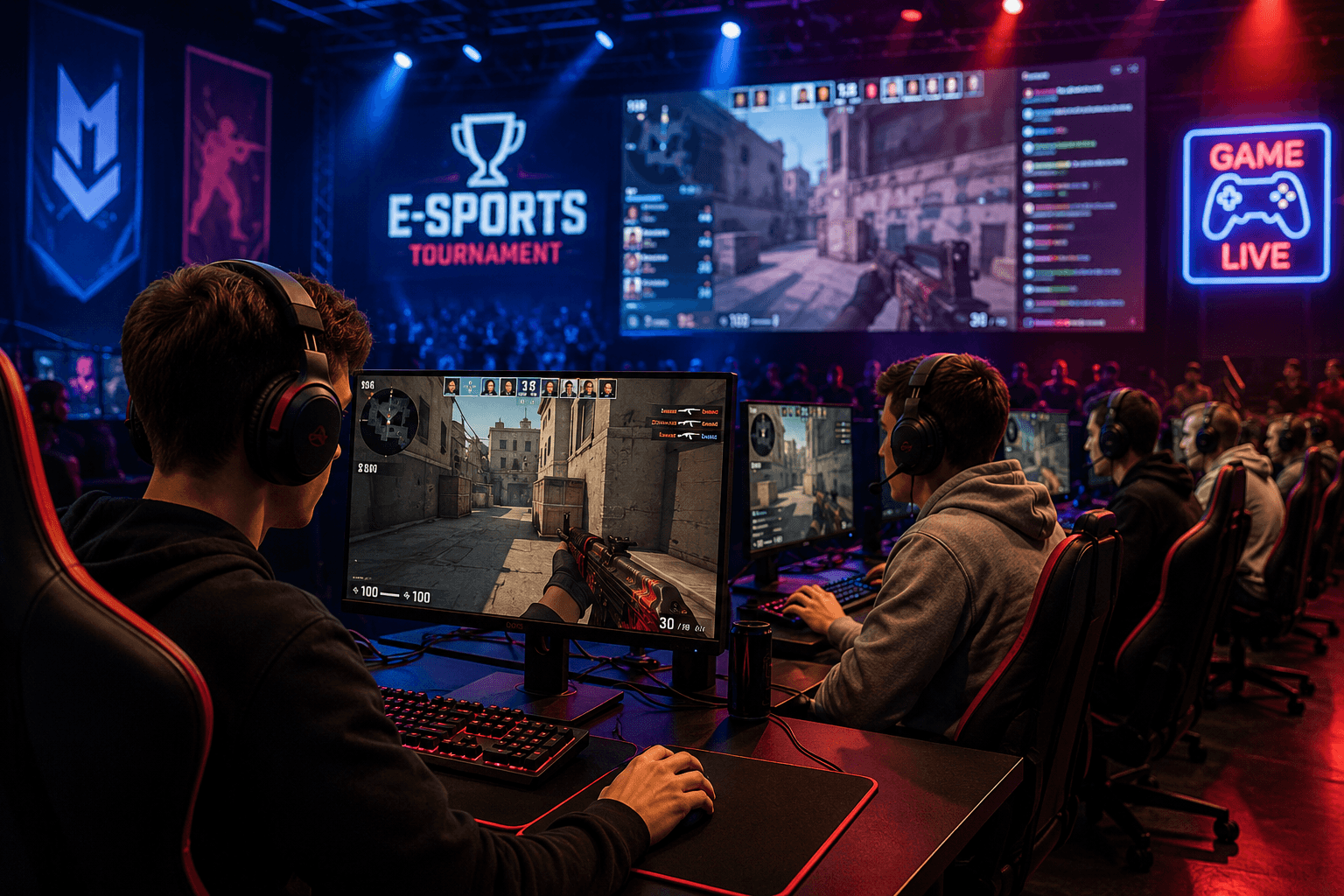
Competitive games have changed significantly during the last two decades. Early multiplayer titles focused primarily on local networks and small communities. Today, online services allow players from different regions to compete instantly.
Several factors contributed to this growth:
faster internet connections;
improved gaming hardware;
online matchmaking systems;
streaming platforms;
social gaming communities.
Modern games emphasize teamwork, communication, and strategy. These elements create long-term engagement and encourage players to continue improving their skills.
Why Players Enjoy Competitive Experiences
Competition provides challenges that motivate players to learn and develop. Ranking systems, achievements, and measurable progress create clear objectives and encourage participation.
Players often enjoy:
Skill development.
Team cooperation.
Strategic decision-making.
Social interaction.
Achievement systems.
The ability to improve performance over time remains one of the strongest motivations in competitive gaming.
The Importance of Community
Gaming communities have become essential parts of modern entertainment. Players share tactics, discuss updates, and support newcomers through forums, videos, and online discussions.
Communities also contribute to the longevity of games. Active player bases help maintain interest and encourage developers to continue improving their products. User-generated content, tournaments, and community events often strengthen these relationships.
Positive communities create welcoming environments that support both experienced players and beginners.
Technology and Modern Gaming
Technological innovation continues to influence gaming experiences. Powerful computers, gaming consoles, and mobile devices provide access to increasingly advanced titles. Cloud services and improved network infrastructure allow players to compete from almost anywhere.
Several technologies currently shape the industry:
cloud gaming;
artificial intelligence;
faster graphics processors;
cross-platform functionality;
improved network systems.
These developments help create smoother and more accessible experiences for players.
The Rise of Short Gaming Sessions
Not every player wants to spend several hours in a single gaming session. Many modern games focus on shorter experiences that fit into busy schedules. Quick rounds and simple mechanics attract users who want entertainment during breaks or free time.
Mobile gaming has contributed significantly to this trend. Smartphones and tablets allow players to access games at any location, increasing convenience and accessibility.
Developers increasingly design games that offer immediate engagement while remaining easy to understand for new players.
Responsible Gaming Habits
Although gaming provides entertainment and social interaction, maintaining healthy habits remains important. Experts recommend balancing digital activities with other aspects of daily life.
Healthy gaming practices include:
setting time limits;
taking regular breaks;
maintaining physical activity;
managing spending carefully;
prioritizing personal responsibilities.
Games involving financial risk should always be approached responsibly. Industry specialists emphasize that gambling products are designed primarily for entertainment and should never be considered reliable income sources.
The operator maintains a long-term mathematical advantage, making profits uncertain. Players should establish personal limits and avoid emotional decisions.
Digital Well-Being and Screen Time
As gaming becomes more accessible, digital well-being receives greater attention. Long gaming sessions may affect sleep, productivity, and physical health if not properly balanced.
Experts recommend:
scheduling offline activities;
limiting excessive screen time;
maintaining healthy sleep habits;
exercising regularly;
taking breaks during gameplay.
These habits help players enjoy gaming while maintaining overall well-being.
The Future of Competitive Gaming
The gaming industry continues to evolve rapidly. Artificial intelligence, virtual reality, and cloud technologies may create new opportunities for players and developers. Competitive gaming will likely remain one of the most important segments of digital entertainment.
Developers increasingly focus on accessibility, player safety, and community engagement. Future games may provide more personalized experiences while maintaining fair and enjoyable competition.
Conclusion
Competitive gaming has transformed modern entertainment by combining skill, strategy, and social interaction. Communities, technological innovation, and accessible experiences continue to attract millions of players around the world.
At the same time, responsible gaming remains essential. Digital entertainment should provide enjoyment and recreation rather than financial expectations. By maintaining healthy habits and realistic expectations, players can continue enjoying gaming experiences in a balanced and responsible way.